

03 Feb Mindfulness and Responsible Behavior

WHY WORK TOWARDS MINDFULNESS
While some visitors “don’t want to think about anything” when they travel, encouraging visitors who are more thoughtful about their actions when they travel can have big benefits for destinations and even the travelers themselves.
Mindful travelers are more receptive to new information and perspectives. They pay attention to both the situation and the context. Implementing mindfulness practices in destinations has proven to be a good way to attract visitors who pay attention to their surroundings and are willing to seek a connection with the destination and community; they visit with less impact. Mindful Travel refers to a mode of travel in which individuals demonstrate situational awareness of sustainable travel principles through responsible practices. This approach enables travelers to make conscious decisions that generate both immediate and long-term positive impacts on the natural environment, wildlife, communities, and cultures. DMOs who encourage mindful behavior can motivate individuals to adopt more responsible behavior.
WHAT DOES MINDFULNESS MEAN
“Mindful travel is the practice of being consciously present and aware of your impact on the environment, culture, and yourself while traveling.” 1 The value of implementing mindfulness in the tourism industry would extend well beyond the individual and social levels3. Mindfulness in visitors can be translated into appropriate behavior of visitors and their attention to norms, their impact on society, to pay attention to culture, etc.
HOW TO DO IT
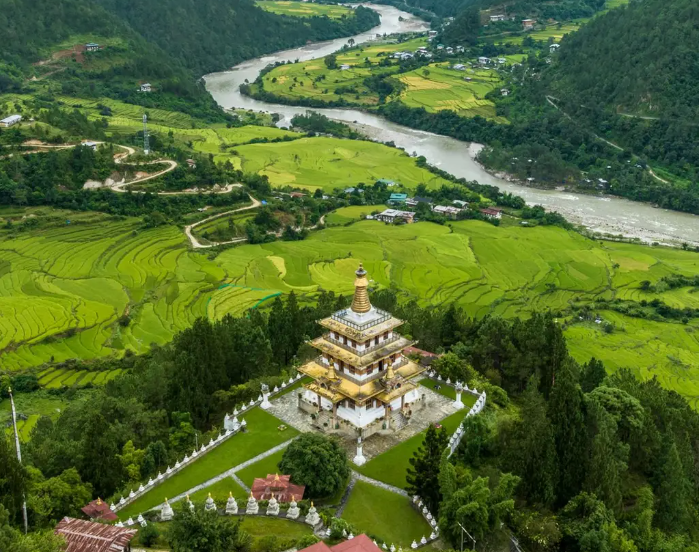
Bhutan is a destination that promotes itself to visitors pay attention to Bhutan culture and care about their impact. This intentional positioning reflects the country’s belief that meaningful travel requires awareness, curiosity, and respect2. Bhutan is noticeable to those who are prepared to put in the extra effort to explore it amid the array of other global destinations. Such explorers become Bhutan’s guests, joining as committed partners in the country’s transformation journey and making a valuable impact on the preservation of Bhutan’s invaluable people, nature, and culture.2 Bhutan runs different initiatives, including Gelephu Mindfulness City3,4 and Bhutan Believe2, the country’s national brand initiative, which is built upon Bhutan’s broader plans and programs for sustainable development and for mindful visitors. Rather than pursuing mass tourism or hollow luxury, Bhutan positions itself as a destination where happiness, connection, reflection, and well-being are fundamental rights rather than commodities. The “Believe” tagline reinforces this vision by inviting travelers to believe in what Bhutan is doing differently: prioritizing collective wellbeing, cultural integrity2, and environmental stewardship.
Taiwan The slow travel Initiative encourages awareness and is designed to attract visitors who seek connections with the area they are visiting5. Island Clean Walk, Matsu Slow Travel on Foot includes themed walking routes such as religious pilgrimages, wartime heritage tours, ecological exploration, and geological discovery. These routes combine storytelling, place-based interpretation, and environmental education, explicitly encouraging eco-friendly behavior while traveling6. The Matsu National Scenic Area Administration emphasizes that the islands are best appreciated on foot, noting that “the slower you go, the more you are able to see.”7
The program signifies a transformation in Taiwan’s tourism strategy, emphasizing immersive experiences that are environmentally friendly and socially responsible. Visitors are invited to take their time, explore mindfully, and build genuine connections with local communities 5. The purpose is that visitors’ experience be environmentally mindful, with thoughtful exploration and responsible behavior.
DMOs mentioned
Welcome to Bhutan Travel | Kingdom of Bhutan
Other helpful materials
Taiwan Tourism 2025 sets a new strategic direction for sustainable and international growth
Island Cleanup Journey, A New Chapter of Slow Travel in Matsu!-Matsu National Scenic Area
Moscardo, G. (2009). Understanding tourist experience through mindfulness theory. Handbook of tourist behavior, 99-115.
Moscardo, G. (1996). Mindful visitors: Heritage and tourism. Annals of tourism research, 23(2), 376-397.
References
- Mindful Travel → term (2025) Lifestyle. Available at: https://lifestyle.sustainability-directory.com/term/mindful-travel/ (Accessed: 03 February 2026).
- Bhutan Believe. (2023). https://bhutan.travel/journal/editorial/an-anatomy-of-the-brand-bhutan-believe
- Gelephu Mindfulness City: Bhutan’s Vision of a Sustainable and Mindful Future. (2025). VisitBhutan.Com. https://visitbhutan.com/blog-detail.php?id=16
- Department of Tourism. (2024). https://a.storyblok.com/f/171618/x/dbfefd9616/his-majesty-jigme-khesar-namgyel-wangchuck-announces-gelephu-mindfulness-city-special-administrative-region-based-on-the-gross-national-happiness-philosophy-to-drive-development-in-bhutan.pdf
- Travel and Tour World. (2025). Taiwan Unveils a Groundbreaking Tourism Strategy Focused on Community Engagement, Eco-Conscious Travel and Cultural Immersion—Travel And Tour World. https://www.travelandtourworld.com/news/article/taiwan-unveils-a-groundbreaking-tourism-strategy-focused-on-community-engagement-eco-conscious-travel-and-cultural-immersion/
- Matsu National Scenic Area Headquarters, Tourism Administration. (2025). Matsu News. https://admin.taiwan.net.tw/matsunsa-en/NewsMatsuEN/News?a=327&id=34645
- Matsu National Scenic Area Headquarters, Tourism Administration. (2026). Matsu News. https://admin.taiwan.net.tw/matsunsa-en/NewsMatsuEN/News?a=327&id=35191
