

02 Sep How DMOs Can Fund Sustainable Initiatives

When DMOs invest in community projects, tourism has the power to fuel economies and protect local assets. This shows travelers how their presence can make a positive impact.
Wildfire defense funds, cultural workshops, or sustainability initiatives become stories that visitors carry with them. It is a reminder that responsible travel isn’t an abstract concept, but something they are part of.
Mammoth Lakes, California, USA
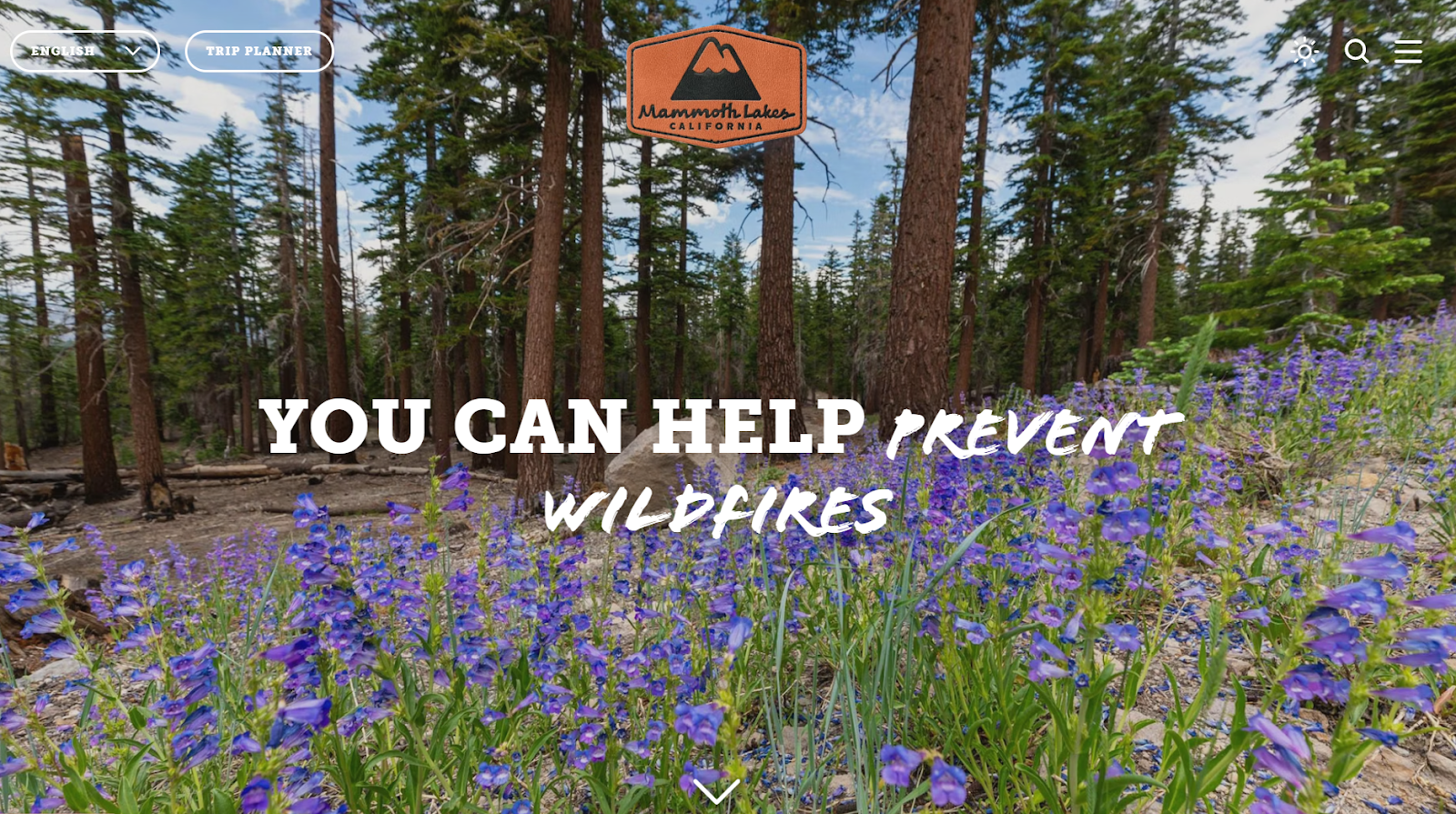
This mountain destination faces the growing threat of wildfires, a reality that endangers both locals and visitors. Instead of treating this as only a municipal challenge, the local DMO stepped in. By channeling tourism dollars into wildfire defense, Mammoth Lakes created a system where every visitor contributes to protecting the landscapes they came to enjoy. Visitors learn an important lesson here: their stay funds resilience. Traveling responsibly isn’t just about individual choices, but about supporting the systems that keep a place safe.
Bend, Oregon, USA
Through the Bend Sustainability Fund, a portion of lodging tax revenue is reinvested into projects like new trail systems, river cleanups, and ecological research. The beauty of this model is its transparency as visitors can see exactly where their money goes. Imagine arriving at a trailhead and reading a sign that says: This path was made possible through the Bend Sustainability Fund, supported by your stay. Suddenly, a tax isn’t just a fee. It’s an educational moment for stewardship, showing travelers how tourism dollars (and the seemingly annoying extra fees and taxes they pay) actually give back to the places they visit.
Horsburgh Atoll, Maldives
The Horsburgh Atoll Tourism Alliance (HATA) is an interesting case that ensures tourism dollars are cycled back into the community. HATA is run entirely by community businesses, conservationists, and leaders united to ensure tourism protects both natural ecosystems and cultural heritage. Visitors are encouraged to book with HATA-affiliated businesses where doing so ensures that every dollar contributes directly to conservation efforts and community empowerment. Additionally, travelers are invited to take the Conscious Traveler Pledge, committing to reef-safe sunscreen, minimizing waste, respecting local customs, and supporting the local economy. In Horsburgh, responsible travel is a collective effort by the community and it isn’t simply advised, it’s built into every stage of the visitor journey.
Across these examples, the lesson for DMOs is simple but powerful: funding choices and initiatives can shape traveler education. When projects are visible, when their impacts are clearly communicated, and when visitors are invited into the story, every initiative becomes a tool for teaching responsibility.
If you want your destination to not only attract visitors but also shape how they travel, start small and focused:
- Identify one local priority. What environmental or social challenge matters most to your community? Wildfires, cultural preservation, water conservation, equity?
- Dedicate a revenue stream. Whether it’s a slice of lodging or tourism taxes, a visitor contribution program, or a dedicated fund, make sure tourism dollars flow directly into this priority.
- Tell the story. Show visitors how their stay makes a difference. Signage, social media, trailhead messages, or even hotel-room cards can connect their experience with the impact.
When DMOs link community needs to visible visitor contributions, it’s no longer just about funding projects, initiatives, or causes, DMOs can create a living classroom for responsible travel.
