

04 Dec Sustainability as a Shared Commitment

Make Sustainability a Shared Commitment Across Your Destination
From major cities like Melbourne to small coastal backpacker lodges on South Africa’s Wild Coast, strong partnerships with local communities, Indigenous groups, and regional stakeholders create tourism models that are inclusive, regenerative, and culturally grounded.
Experience Melbourne 2028 plan shows how sustainability becomes stronger when it’s built collaboratively across a region. To reflect this reality, Melbourne works closely with neighboring councils and regional partners to deliver a seamless and sustainable visitor experience.
Melbourne commits to partnering with Aboriginal communities, fostering a respectful environment for visitors, and ensuring the destination remains welcoming, and harmonious.The plan emphasizes ensuring a sustainable and regenerative visitor experience. Sustainability is approached holistically, not only through environmental responsibility, but also by valuing cultural heritage and community wellbeing.
Tips:
1. Build cross-regional partnerships to match the way visitors actually travel. Collaboration strengthens consistency and supports shared sustainability goals.
2. Prioritize cultural sustainability through genuine partnership with Aboriginal communities.Commitment to respectful relationships and inclusive visitor environments helps protect cultural heritage while shaping more responsible tourism.
Coffee Shack, South Africa
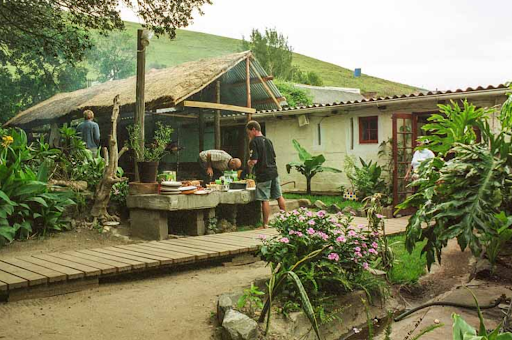
Coffee Shack on South Africa’s Wild Coast shows how small-scale tourism can create deep, long-lasting benefits for local communities. As a Fair Trade–certified backpackers lodge, it actively promotes responsible tourism by directing visitor spending into community-led initiatives. Through the Sustainable Coffee Bay NGO.
Coffee Shack supports education programs, assists former mine workers in securing pension funds, and invests in development projects that improve living conditions for vulnerable families.
Environmental responsibility is also central to Coffee Shack’s operations. The lodge reduces waste through recycling, reuses greywater for irrigation, composts kitchen scraps, and relies on indigenous plants that require minimal watering. Visitors are encouraged to reduce, reuse, and recycle during their stay. Cultural tours led by local Xhosa guides offer travelers authentic insight into village life, ensuring tourism strengthens cultural understanding while benefiting the surrounding community.
Tips:
1. Integrate community development into your tourism model. Initiatives like education programs, pension assistance, and NGO partnerships ensure tourism funding creates long-term social impact.
2. Recycling programs, and utilizing indigenous plants, along with other sustainability practice help reduce the impact of visitors.
3. Pair visitors’ day with cultural immersion. Visitors’ experience combined with locally led cultural tours, provide opportunity to learn and see day-to-day life of people and their culture which can create a balanced model of responsible tourism.
